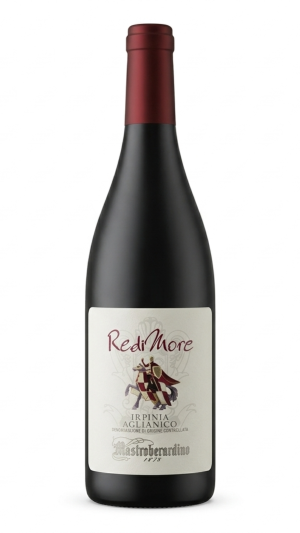
Mastroberardino Irpinia Aglianico 2022
Type: Red
Country: Italy
Region: Campania
Grape Variety: 100% Aglianico
Alcohol Percentage: 13%
Viticulture: Organic Farming
Climate: Mediterranean climate with strong continental influences; warm days and cool night breezes from the Apennine Mountains
Terroir: Vineyards situated at ~400 meters altitude; deep, well-draining soils with sandy-clay topsoil over layers of limestone and volcanic ash/clay.
Ageing: Hand-harvested, traditional temperature-controlled maceration; aged in French oak barrels/barriques for approx. 10 to 12 months, followed by bottle maturation prior to release.
Color: Deep ruby red with garnet reflections
Nose: Intense and fruit-forward aromas of red cherries, wild raspberries, and dark plums, complemented by floral hints of violet, black pepper, cocoa, and subtle tobacco spice
Palate: Medium- to full-bodied, warm, and well-structured; features vibrant red fruit flavors, balanced savory acidity, firm yet supple tannins, and a long, persistent, slightly spicy finish.
About the Winery:
Viticultural saviors. Quality revolutionaries. Winemaking pioneers.
The Mastroberardinos have been called many things over the course of their rich, 10-generation history. But above all else, they are Campania’s greatest champions and are responsible for a quality renaissance in the south that’s turned them into a global leader in viticulture and varietal rehabilitation.
The family settled in the town of Atripalda, Campania in 1747, putting down their radici produndi (deep roots) in the bucolic district of Irpinia during the reign of the House of Bourbon. An important local family, the Mastroberardinos built a prosperous winemaking business, farming grapes and producing their own wine. But the family’s mettle would be tested as war, depression, a cholera epidemic, and an outbreak of phylloxera rocked the region in the early half of the 20th century.
With the family’s operations and vineyards left in ruins after World War II, ninth-generation Antonio took on the daunting endeavour to rebuild and expand. But he wanted to do things his way — the traditional way. So, while his counterparts across Italy were opting to plant popular international grapes, Antonio vehemently advocated for the revival of indigenous varieties, especially nearly extinct local grapes Fiano, Greco, and Aglianico.
In 1968, he bottled a trio of Taurasi Riserva wines, labelled with the names of specific areas within Taurasi where the grapes were harvested. This concept of site-specific designation was a groundbreaking approach in Italian viticulture and, while those three wines are no longer produced, Antonio’s foresight and innovation brought attention and prestige to Campanian wines and helped ignite a quality winemaking revolution in the region.
Today, Piero Mastroberardino, Antonio’s son and the 10th generation, is the force behind the family’s estate and legacy. Alongside chief winemaker, Massimo di Renzo, Piero is carrying his father’s unwavering resolve and vision into the future with one goal in mind — to continue to showcase Campania as one of the world’s top regions for fine, terroir-driven wines.